The psychology behind gambling understanding the allure of risk and reward
The Thrill of Uncertainty
The psychology behind gambling often hinges on the thrill of uncertainty. This phenomenon draws individuals to games of chance where the outcome is unpredictable. The anticipation of winning creates a surge of excitement, tapping into the brain’s reward system. Neurotransmitters, such as dopamine, are released during these moments, fostering feelings of pleasure and reinforcing the desire to engage in gambling again. For those interested in this experience, many players explore poker online as a popular option.
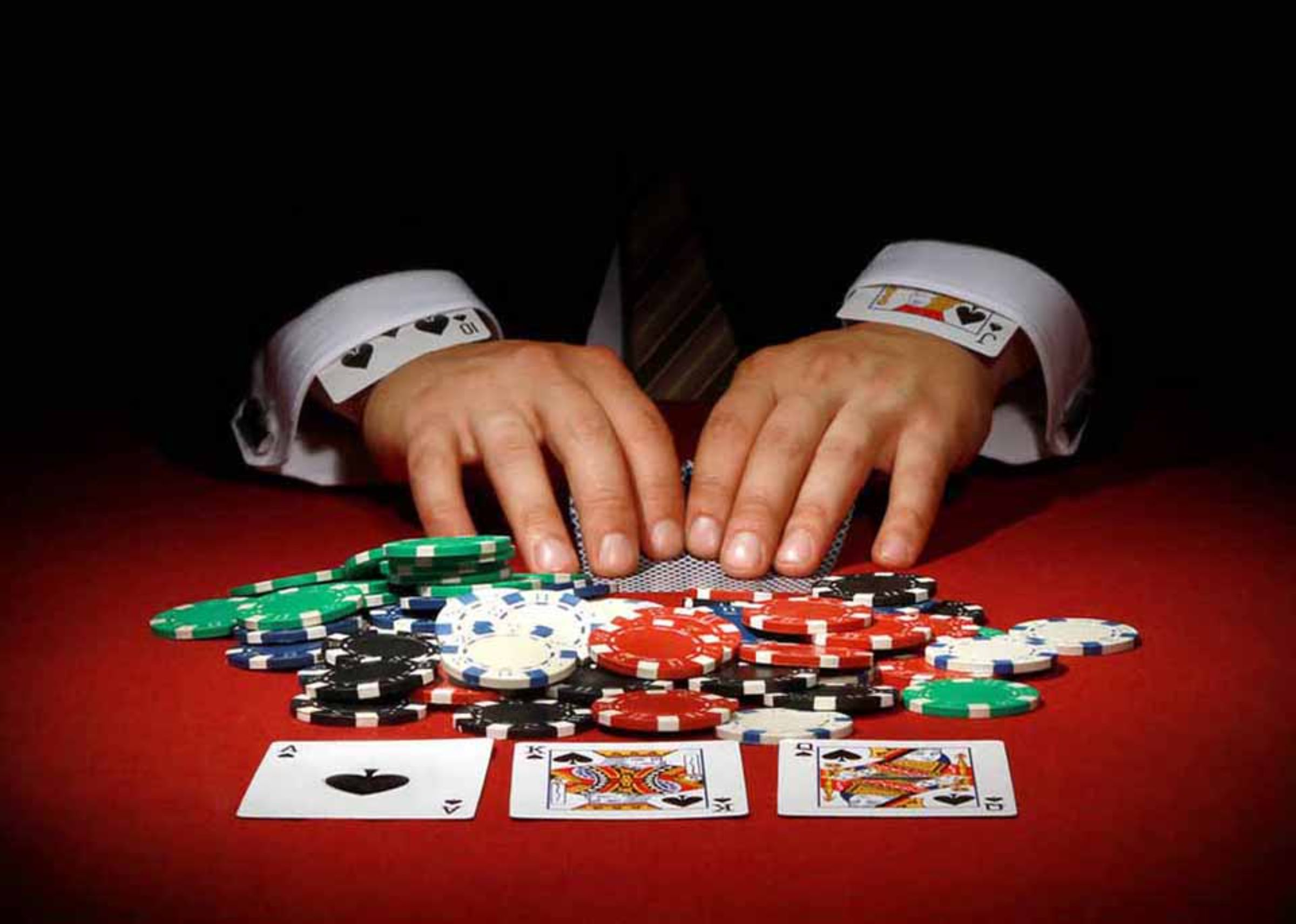
This element of surprise is a significant factor in the allure of gambling. It offers an escape from the mundane, allowing players to immerse themselves in an environment where anything can happen. This unpredictability can feel exhilarating, often overshadowing the potential risks involved.
The Psychology of Risk Taking
At the heart of gambling lies the concept of risk-taking. Some individuals are naturally inclined to seek out risky experiences, and gambling provides a platform for this behavior. Those who thrive on risk may feel a heightened sense of adrenaline and accomplishment when they place bets, especially when stakes are high. This thrill can lead to an addiction to the rush that accompanies winning, making it challenging for some to step back.
Moreover, the societal perception of gambling can further embolden individuals. With cultural narratives often romanticizing the idea of hitting it big, players may feel justified in their risky choices. This societal approval can create a cyclical pattern where the desire for both social acceptance and personal thrill drives individuals to gamble more.
The Reward System and Reinforcement
The human brain is wired for rewards, and gambling takes full advantage of this. When players win, even small amounts, the brain releases dopamine, creating a positive feedback loop. This reinforces the behavior, encouraging players to return for more. Even losses can spur a desire to continue playing, as individuals may chase the elusive ‘big win’ that will make up for their previous losses.
This behavioral reinforcement is why many gamblers may find it challenging to quit, even when they recognize the adverse effects. The cycle of reward and reinforcement can trap individuals in a pattern where the thrill of winning overshadows the reality of their gambling habits.
The Role of Environment and Social Influence
The environment in which gambling takes place plays a crucial role in shaping behavior. Casinos, for example, are designed to create an immersive experience, with bright lights, sounds, and the presence of other enthusiastic gamblers. This environment heightens the excitement and encourages longer play sessions. Additionally, social influences can impact gambling behaviors, as individuals often gamble with friends or in groups, amplifying the thrill.
Peer pressure and social dynamics also contribute to the allure of gambling. Many individuals may feel compelled to participate due to the fear of missing out or the desire to fit in. This social aspect can make gambling seem like an appealing activity, further entrenching individuals in the cycle of risk and reward.

Insights from the Gambling Industry
For those seeking to understand the complexities of gambling, the gambling industry provides a wealth of information and insights. This sector is continuously evolving, influenced by changing regulations, technological advancements, and consumer behavior. Engaging with industry news can offer valuable perspectives on emerging trends and the psychological factors driving gambling participation.
As a platform dedicated to delivering timely information and analysis, the gambling industry emphasizes the importance of understanding player psychology. By exploring the motivations and behaviors of gamblers, industry professionals can better serve their audiences and contribute to a safer gambling environment. This ongoing dialogue between psychological insights and industry practices is crucial for fostering responsible gambling habits.
Deixe um comentário